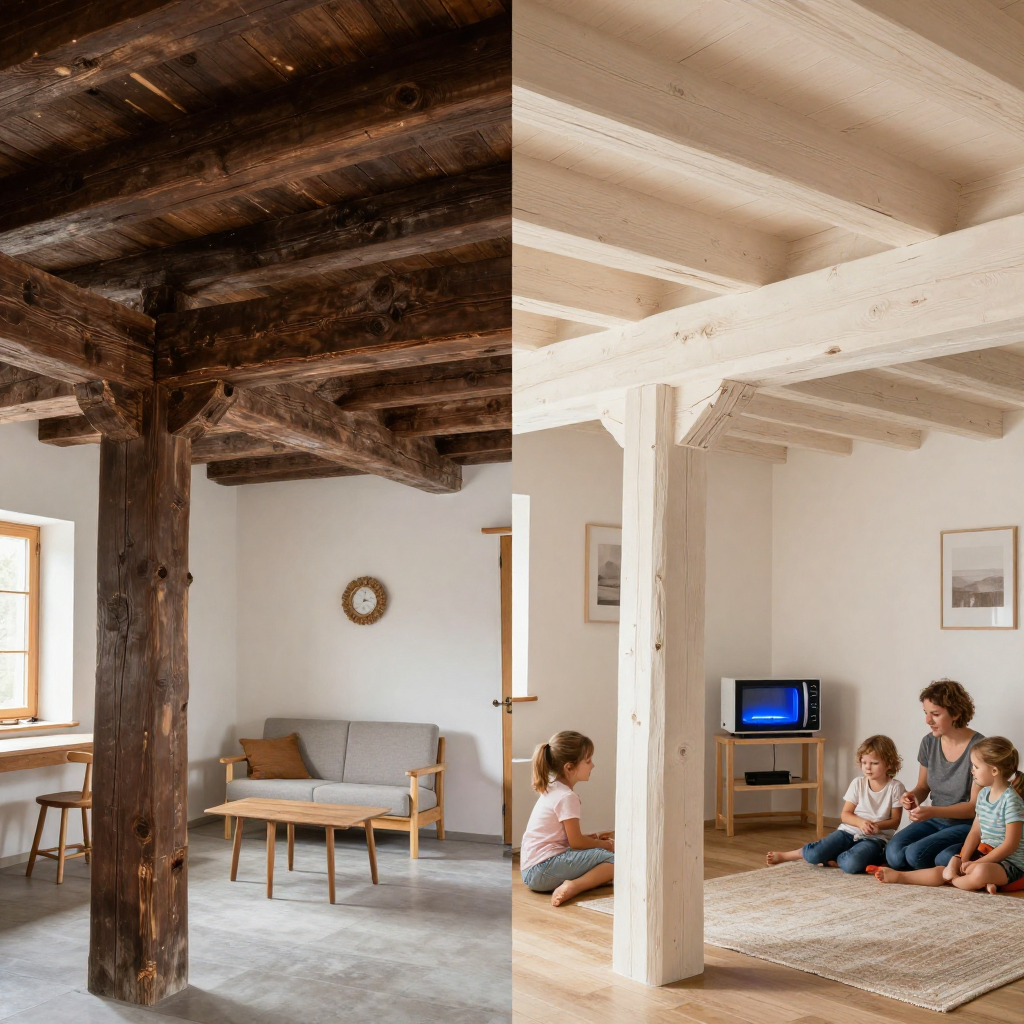
Antique furniture is more than just old wood—it represents history, craftsmanship, and timeless design. Whether it’s a hand-carved oak cabinet, a Victorian dining table, or a centuries-old wardrobe, these treasured pieces often hold sentimental, cultural, and financial value. Unfortunately, they can also become vulnerable to one of the most destructive hidden threats: woodworms.
When a woodworm infestation is discovered, many owners worry that treatment itself could damage the furniture they are trying to protect. Traditional chemical treatments can sometimes leave residues, odors, or require extensive handling of delicate pieces. Today, modern microwave technology offers a safer, chemical-free alternative. Shashel provides an innovative solution that eliminates active wood-boring insects while helping preserve the beauty, authenticity, and integrity of antique furniture.
Why Antique Furniture Is Vulnerable to Woodworms
Most antique furniture is made from solid hardwoods or softwoods that have aged naturally over decades or even centuries. While well-crafted furniture can last for generations, it may become susceptible to wood-boring beetles if environmental conditions allow.
Adult beetles lay eggs in tiny cracks, joints, or existing holes in the wood. Once the eggs hatch, the larvae burrow beneath the surface and begin feeding on cellulose—the material that gives wood its strength.
Because antique furniture often contains intricate carvings, hidden joints, and thick wooden sections, infestations can remain unnoticed for years.
Common Signs of a Woodworm Infestation
Recognizing the early warning signs can prevent extensive damage.
Look for:
- Small, round exit holes in the wood
- Fine wood dust (frass) beneath or around the furniture
- Soft or weakened areas of timber
- Tiny tunnels visible in damaged wood
- Adult beetles appearing during warmer months
It’s important to remember that old exit holes do not always indicate an active infestation. A professional inspection can help determine whether insects are still present.
Why Early Treatment Matters
Woodworm larvae can remain hidden inside furniture for several years, quietly creating tunnels as they feed.
If left untreated, they may:
- Weaken structural joints
- Damage decorative carvings
- Reduce the furniture’s stability
- Lower its historical and monetary value
- Increase restoration costs
Treating an infestation early helps preserve as much of the original wood as possible, which is especially important for valuable antiques.
The Challenges of Traditional Chemical Treatments
For many years, chemical insecticides have been the standard method for treating woodworm infestations.
Although these products can be effective in some situations, they may present challenges when used on antique furniture.
Possible concerns include:
- Chemical residues remaining on the wood
- Strong odors during and after treatment
- Limited penetration into thick timber
- Potential effects on delicate finishes
- The need for repeated applications in some cases
Owners of valuable antiques often seek treatment methods that eliminate pests while minimizing unnecessary intervention.
A Modern Alternative: Microwave Technology
Microwave treatment uses controlled non-ionizing electromagnetic energy instead of pesticides.
The process is based on a simple scientific principle.
Woodworm larvae contain significantly more moisture than seasoned wood. When microwave energy passes through the timber, the insects absorb the energy more efficiently than the surrounding wood. Their internal temperature rises until they can no longer survive.
This process can eliminate:
- Eggs
- Larvae
- Pupae
- Adult beetles present within the treated furniture
Modern Shashel systems are designed to apply carefully controlled energy, helping protect valuable wooden pieces while effectively treating active infestations.
Preserving Craftsmanship and Original Materials
One of the greatest priorities in antique restoration is preserving original materials whenever possible.
Historic furniture often features:
- Hand-carved details
- Traditional joinery
- Original veneers
- Decorative moldings
- Rare hardwoods
- Historic finishes
Replacing damaged sections unnecessarily can reduce both historical authenticity and collectible value.
By using a targeted, chemical-free approach, Shashel supports restoration efforts that focus on conserving original craftsmanship rather than replacing it.
Benefits of Microwave Treatment for Antique Furniture
Chemical-Free
No pesticides, fumigants, or toxic preservatives are used during treatment.
No Chemical Residues
The furniture is not left with lingering insecticide deposits.
Deep Treatment
Microwave energy targets insects hidden inside the wood instead of only treating the surface.
Environmentally Responsible
Reducing chemical use supports sustainable conservation and restoration practices.
Suitable for Valuable Collections
Museums, collectors, antique dealers, and restoration professionals often value treatment methods that prioritize preservation.
Ideal Applications
Microwave treatment is suitable for many types of antique wooden objects, including:
- Dining tables
- Cabinets
- Wardrobes
- Dressers
- Chests
- Chairs
- Desks
- Wooden sculptures
- Decorative panels
- Museum collections
Whether protecting a family heirloom or a museum-quality artifact, preserving the original timber remains the primary goal.
Preventing Future Infestations
After treatment, proper care helps protect antique furniture for many years.
Recommended practices include:
- Keep furniture in a dry environment.
- Avoid prolonged exposure to high humidity.
- Repair leaks promptly.
- Maintain stable indoor conditions.
- Inspect furniture regularly for fresh exit holes or frass.
- Clean and monitor rarely used storage areas.
Preventive maintenance greatly reduces the likelihood of future infestations.
A Better Choice for Conservation
Modern conservation emphasizes minimal intervention, long-term preservation, and environmentally responsible treatment methods.
Microwave technology aligns well with these principles by:
- Eliminating active wood-boring insects
- Avoiding chemical contamination
- Preserving original materials
- Supporting sustainable restoration practices
- Minimizing disruption to valuable artifacts
These advantages have made Shashel a trusted solution for professionals working with historic furniture and heritage collections.
Investing in Long-Term Preservation
Antique furniture is often irreplaceable. Every carved detail, original joint, and aged wood surface tells part of its history.
Choosing an effective treatment is about more than eliminating insects—it is about protecting that history for future generations.
By combining scientific precision with chemical-free technology, Shashel helps owners preserve the character, beauty, and structural integrity of antique furniture while addressing active woodworm infestations.
Conclusion
Woodworm infestations do not have to mean the end of a treasured antique. With early detection and the right treatment method, valuable furniture can often be preserved without sacrificing its originality or historical significance.